

 EN
EN  UA
UA PL
PL IT
IT DE
DE CS
CS RO
RO FR
FR ES
ES TR
TR LV
LV LT
LT ET
ET BG
BG PT
PT NL
NL SR
SR FI
FI RU
RU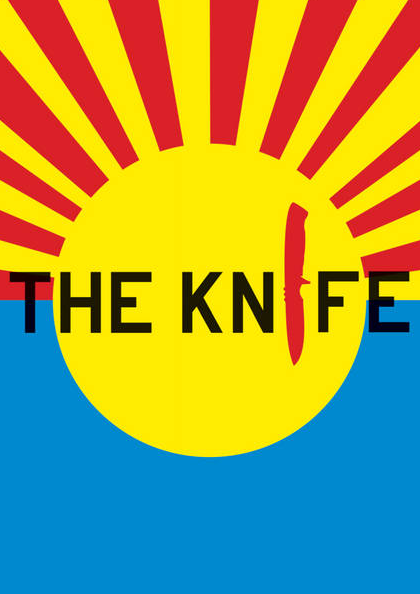
The Knife
Electronic music duo
Genres: electronic, synth-pop, experimental
Country: Sweden
The Knife: music that changed the sound of the 2000s
The Knife is one of Europe's most enigmatic electronic duos. Their music combines minimalist electro-pop, Scandinavian atmosphere and melody, and experimental sounds. The Knife gained recognition not only in Sweden but across the world, and their tours covered dozens of cities. The duo became one of the acts that revealed new facets of electronic music.
The history of the band
The Knife began in 1999. Founded by sister and brother Karin and Olof Dreijer, the duo spent the first few years building popularity in their home country. Their breakthrough onto the international scene came in 2003, when Jose Gonzalez released a cover of their song "Heartbeats", which was later used in a Sony advertisement. After that, the band developed its own music label, Rabid Records.
The Knife albums and hits
The Knife's first album, titled after the duo, was released in 2001. It includes 14 tracks, among them "A Lung", "Bird", and "Lasagna". On their second album, "Deep Cuts", The Knife presented the songs that became the biggest hits of their career, "Heartbeats" and "Pass This On". The duo's career reached a new level with their third studio album, "Silent Shout", which included the title track as well as the songs "Neverland", "Marble House", and "Like a Pen". Later, The Knife released several more records, including "Shaking the Habitual".
Live performances
In 2006, The Knife went on a major tour in support of the album "Silent Shout", which included more than 20 performances in cities across Europe and the United States, including Paris, Barcelona, Oslo, London, Berlin, Amsterdam, Milan, San Francisco, and New York. The next major tour took place after a creative break. As part of the "Shaking the Habitual Tour" in 2013-2014, The Knife gave a large series of concerts around the world, including in Europe. The duo also performed at the Iceland Airwaves festival in Reykjavik in 2014.
The Knife's live concerts were distinguished by a special approach to stage design and performance in general. These were not just ordinary renditions of songs. Each concert became a theatrical event with audiovisual installations, unconventional solutions, choreographic performances, and the artists themselves often appeared in Venetian masks.